 admin
admin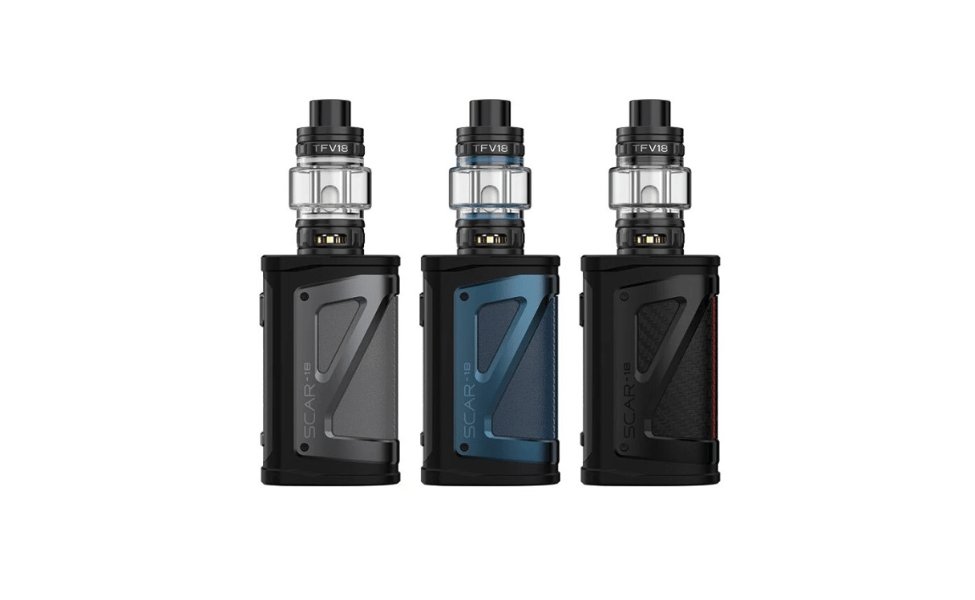
You want a vape that pairs refined flavor with dependable performance, not just a flashy look. Choose a premium pod or mod that balances precise coil and airflow engineering, high-quality materials, and reliable battery management to get the richest, most consistent taste and the smoothest draw.
This article walks you through what makes a vape genuinely luxurious — from types (compact pods vs. high-power box mods) and top brands to flavor innovations, performance tuning, and safety features — so you can match a device to your flavor goals and daily habits.
Expect clear comparisons of craftsmanship, usability, and cost so you can pick a high-end vape that fits your lifestyle and delivers the best possible experience.
Understanding Premium Vape Types
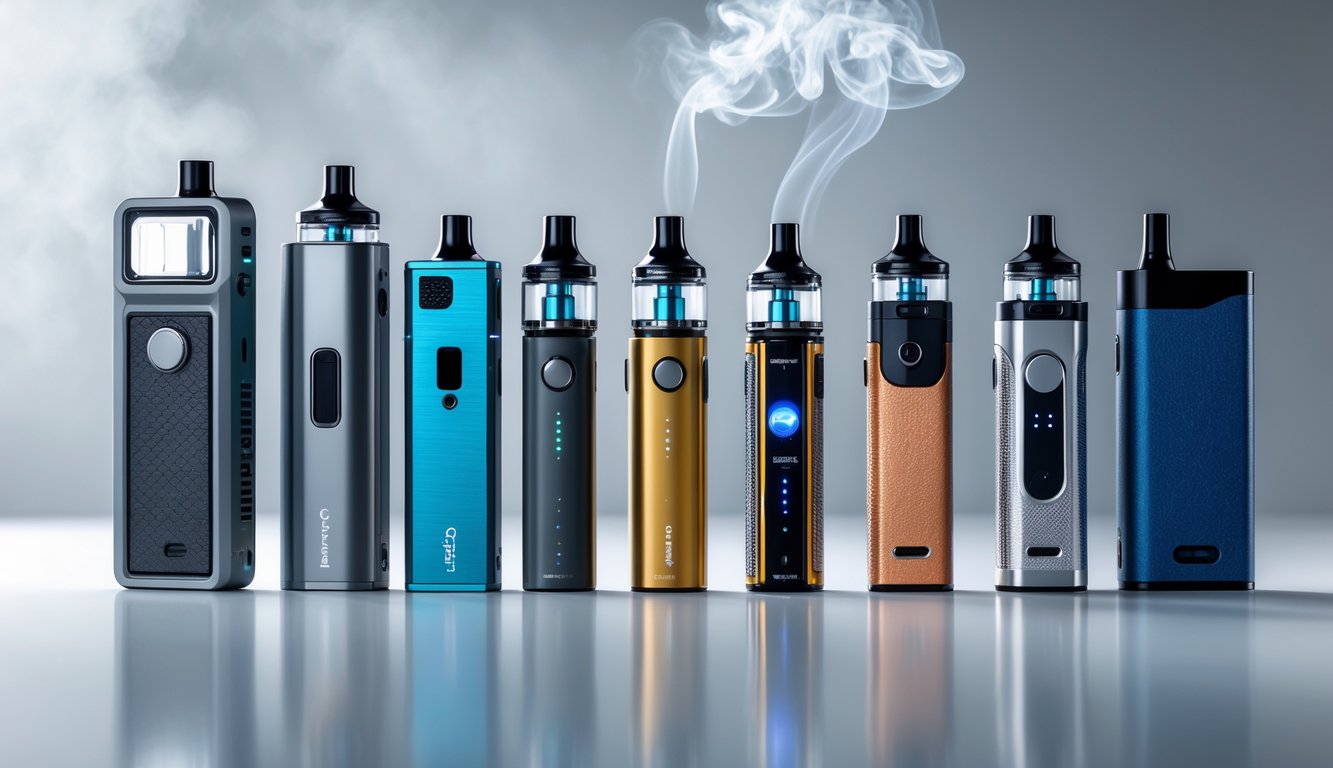
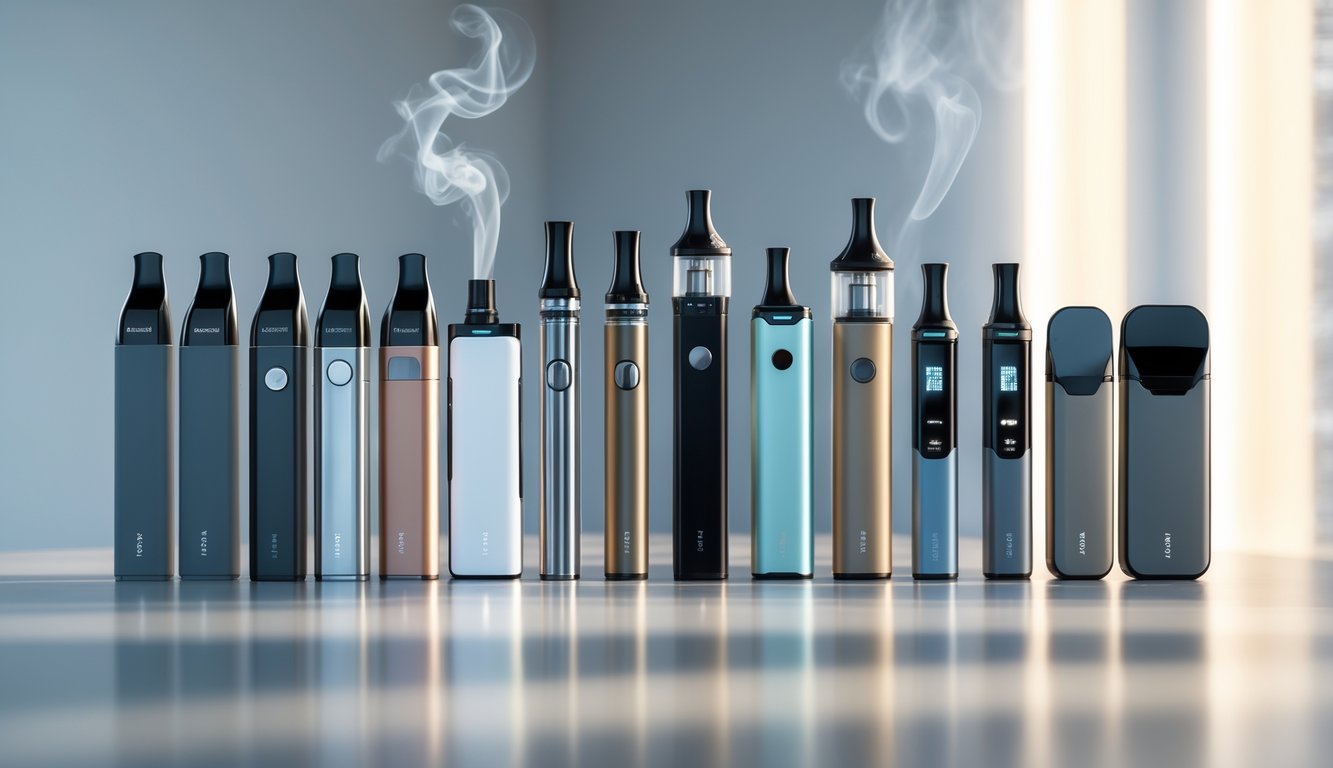
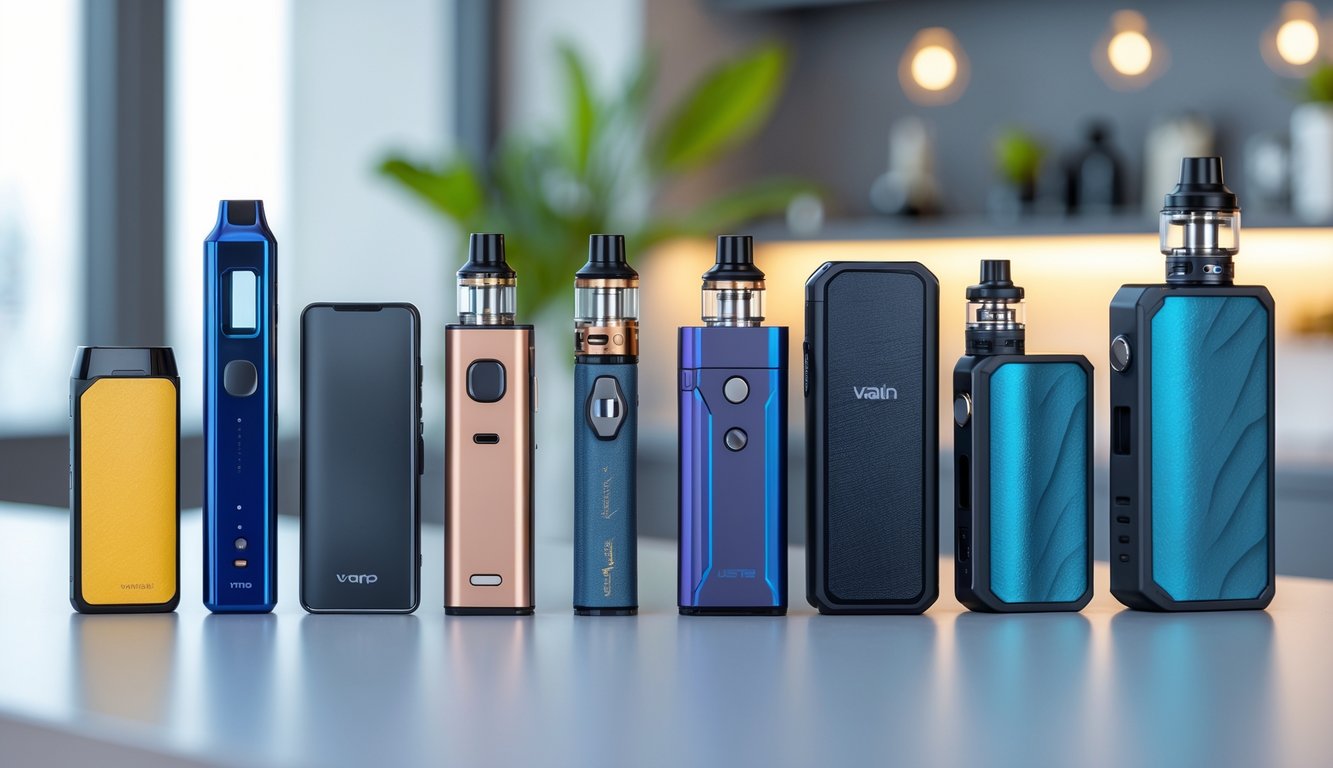
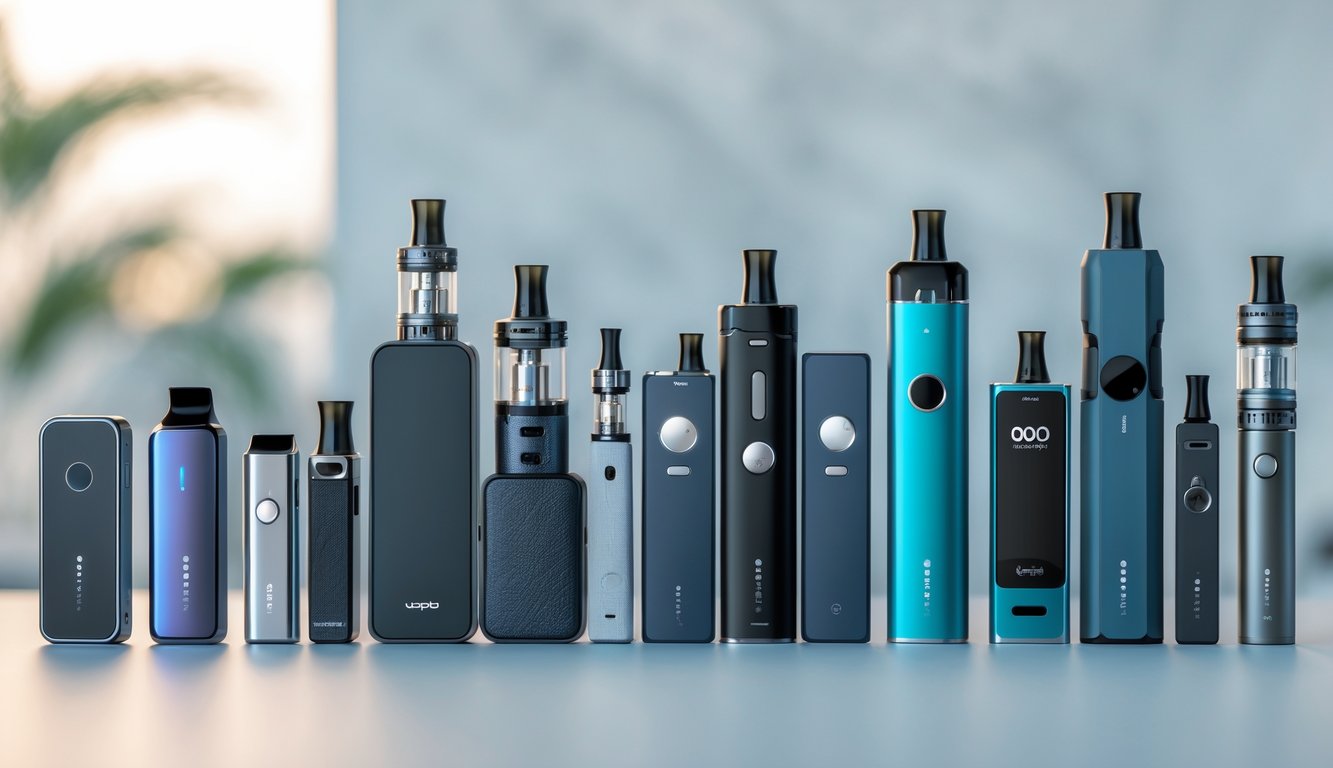
Premium vape devices differ mainly by control, flavor fidelity, and build quality. You’ll find compact, flavor-focused systems; full-featured, power-adjustable boxes; and upscale disposables that prioritize convenience and design.
Pod Systems vs. Box Mods
Pod systems excel at mouth-to-lung (MTL) flavor and portability. You get ceramic or mesh coils tuned for salt nicotine or low-wattage freebase liquids, and pods that snap in for fast swaps. Look for adjustable airflow and refillable pods if you want better flavor and lower long‑term cost.
Box mods deliver higher power and precise control. They support sub‑ohm coils, variable wattage/temperature control, and larger batteries for extended sessions. Choose mods with regulated chipsets, wattage readouts, and quality 510 connectors to avoid performance or safety issues.
If you value discreet, consistent flavor and simple maintenance, pick a pod. If you want cloud control, coil variety, and tuning options, choose a box mod.
Mechanical Mods and Advanced Devices
Mechanical mods are unregulated, metal-bodied devices that provide a direct battery-to-coil connection. They demand that you understand battery safety, Ohm’s law, and proper coil building. Built from steel, brass, or copper, they offer raw power and minimal circuitry for enthusiasts who prioritize tactile feedback and personalization.
Advanced regulated devices include squonk mods and hybrid setups. Squonkers pair a bottom-feeding bottle with rebuildable atomizers for dense flavor and convenient e-liquid supply. High-end regulated devices add protections—short, overheat, and reverse polarity—while still allowing custom curves and firmware updates.
Choose mechanical only if you have experience and high-quality batteries. Otherwise, prefer regulated advanced devices for safer power with extensive tuning.
Disposable Vapes with Luxurious Features
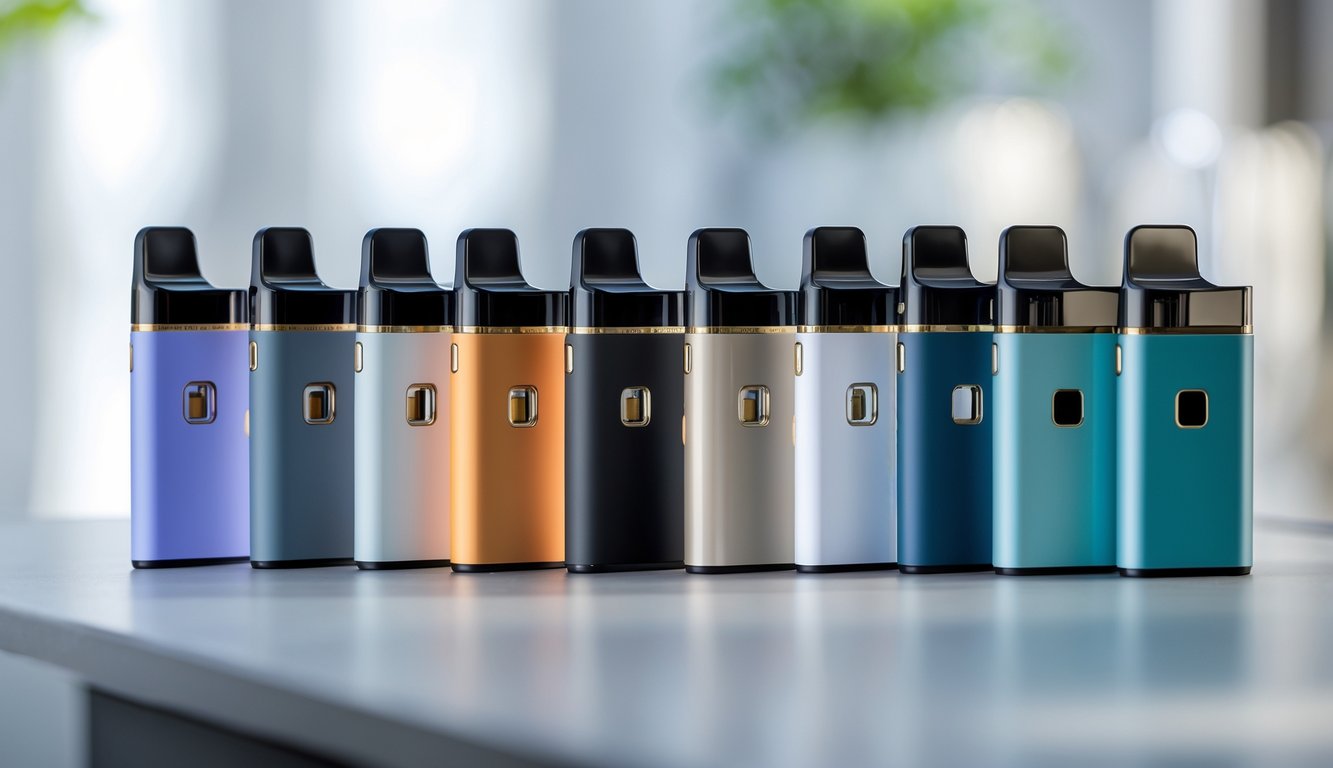
Luxury disposables combine ready-to-use convenience with premium materials and flavors. Expect metal or textured housings, higher-capacity batteries, and nicotine salt blends formulated for smooth throat hit. Some models offer multiple integrated coils or mesh heating for fuller flavor compared to basic disposables.
These disposables often feature proprietary flavor profiles crafted to mimic classic desserts, cocktails, or single-origin tobaccos. They remove maintenance entirely—no refills, no coil swaps—but cost per puff is higher than refillable systems. Check battery capacity (mAh) and stated puff count to compare value.
Opt for luxury disposables when you prioritize design, zero upkeep, and curated flavors for travel or short-term use.
Top Luxury Vape Brands and Models
You’ll find established premium brands, flagship devices built for peak performance, and rare limited editions with collectible value. Expect specifics on brand strengths, device features, and what makes limited runs stand out.
Most Sought-After High-End Vape Brands
You should look at brands known for engineering, materials, and service support. Uwell and Aspire focus on coil and airflow precision; both offer top-tier pods and tanks that deliver consistent flavor and long coil life.
Lost Vape and Vaporesso emphasize premium chassis materials and chipset performance, making them favorites for durability and reliable temperature control.
Dovpo and Vandy Vape attract builders and advanced users with modular platforms and high-wattage options that still prioritize component fit and finish.
- Key attributes to check: chassis material (stainless, zinc, or resin), chipset features (TC, stealth modes), and spare-parts availability.
- After-sales: look for brand-authorized warranty and easy access to replacement glass, coils, and batteries.
Flagship Devices with Maximum Performance
You want devices that combine high output, precise control, and excellent flavor reproduction. Examples include box mods with 200–300W range, advanced temperature control, and support for multiple coil types.
Look for devices with reliable chipsets (e.g., well-reviewed proprietary chips), high amperage battery support, and firmware update paths. These features give stable power delivery and fine-tune options for wattage, curve, and TC profiles.
- Practical checks: screen clarity, user interface logic, and physical button quality.
- Performance markers: sustained output without thermal throttling, accurate temperature regulation, and minimal voltage sag under load.
Distinctive Limited Edition Releases
You should treat limited editions as both functional devices and collectible items. Brands often release special runs with unique finishes (hand-brushed metal, stabilized wood, or custom resin), serialized numbering, and bundled accessories.
Limited editions may also include proprietary tuning—pre-matched coil/airflow setups or factory-calibrated profiles—for optimized flavor or cloud production. That makes them attractive if you value a ready-to-use, high-fidelity experience.
- Buying tips: verify authenticity with serial checks, confirm warranty coverage for limited units, and compare aftermarket demand if resale value matters.
- Value factors: rarity, craftsmanship, included extras (custom drip tips, leather cases), and whether the brand provides ongoing support for replacement parts.
Flavor Experience and Innovations
You’ll find advances in flavor come from concentrated formula design, coil and airflow optimization, and premium ingredient sourcing. These elements determine flavor fidelity, throat hit, and how long a juice maintains character through a tank or pod.
Latest Flavor Technologies
Modern e-liquids use two main chemistry approaches: freebase for open-system devices and nicotine salts for pod systems. Freebase favors complex, layered flavor profiles and higher wattage use. Nicotine salts deliver smoother throat hit at lower power, preserving delicate notes like tea or florals.
Manufacturers now add stabilized emulsions and flavor encapsulation to prevent degradation and muted taste in high-heat coils. Some labs report using organic solvents like propylene glycol (PG) blends with higher purity to carry volatile flavor molecules more effectively. You should check ingredient lists for declared flavoring compounds and batch testing to confirm consistency.
Premium E-Liquid Selections
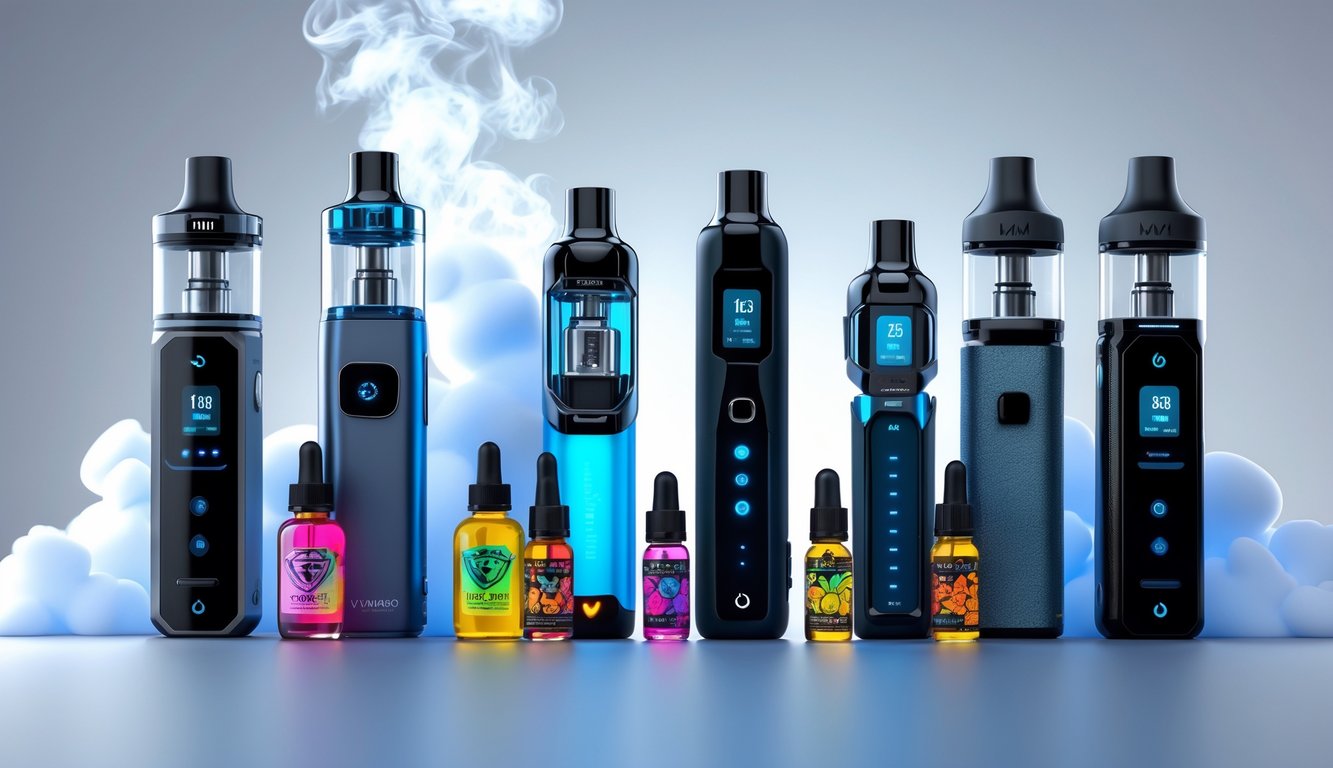
Look for brands that list percent VG/PG, nicotine type, and flavor concentration. A 70/30 VG/PG ratio suits sub-ohm devices for dense vapor and strong sweetness; 50/50 or 60/40 works better in pods to protect coil life and reproduce subtler notes. Dessert and cream profiles benefit from higher VG; citrus and menthol often require higher PG to preserve sharpness.
Seek third-party lab results showing nicotine strength, diacetyl absence, and microbial safety. Limited-run blends often use natural extracts (e.g., real coffee or fruit distillates), which can provide more authentic aroma but may vary between batches. If you want longevity, choose brands that offer concentrate clarity and lot numbers.
Device Engineering for Enhanced Taste
Coil composition, wicking material, and chamber volume directly affect flavor. Mesh coils provide larger contact area and more even heating for consistent flavor reproduction. Ceramic and organic cotton wicks influence how quickly flavor compounds reach the vapor phase; ceramic offers slower, cleaner delivery while cotton gives faster saturation.
Airflow tuning alters perceived sweetness and note separation. Tight airflow emphasizes individual flavor components and throat hit; open airflow emphasizes vapor density and creamy mouthfeel. You should match coil resistance and wattage to the e-liquid’s VG/PG to avoid dry hits or burnt flavors. Regular maintenance—coil changes and thorough tank cleaning—preserves the intended taste.
Performance Optimization for the Best Vaping Experience
Focus on matching power, temperature, and upkeep to the coil and e-liquid you use. Small adjustments to wattage, airflow, and cleaning routines deliver the largest improvements in flavor, vapor consistency, and coil life.
Power Efficiency and Cloud Production
Set wattage that matches coil resistance and e-liquid VG/PG ratio. For a single-coil sub-ohm (0.3–0.6 Ω) with high-VG juice, start around 40–60 W and increase in 5 W steps while testing flavor and throat hit. For low-power pods or MTL coils (1.0–1.8 Ω), stay between 8–18 W to avoid dry hits and wasted battery.
Adjust airflow to control cloud size without sacrificing taste. Restrictive airflow concentrates flavor and reduces visible vapor; wide-open airflow increases clouds but can dilute flavor. Use battery-saving settings when you need longer runtimes: lower wattage, tighter airflow, and shorter pulse durations.
Track coil life and battery efficiency. Replace coils at first muted flavor or persistent spitback. Use high-quality batteries and a regulated mod that matches the coil’s demands to prevent overheating and maintain steady cloud production.
Temperature Control and Precision Settings
Use temperature control (TC) mode with nickel, titanium, or stainless steel coils for consistent flavor and to prevent dry hits. Program the correct TCR (temperature coefficient of resistance) for your coil material if your device allows it. Start 10–20 °C below the temperature that produces slight dryness, then raise in small increments until flavor peaks without burnt notes.
Fine-tune ramp-up and cutoff settings. Faster ramp-up boosts initial throat hit and clouds but shortens battery life; a moderate ramp gives steady vapor and preserves coil life. Set a sensible temperature cutoff (e.g., 200–230 °C) to avoid charring wicks and e-liquids.
Use precise wattage-step adjustments when TC is unavailable. Small changes (±1–3 W) often yield meaningful differences in taste and vapor. Log your preferred settings per coil/e-liquid combo so you can replicate them reliably.
Maintenance for Consistent Performance
Clean contacts, 510 connectors, and tanks regularly to prevent voltage drop and flavor contamination. Wipe the 510 pin, O-rings, and threads with isopropyl on a cotton swab every week or whenever you change tanks or coils.
Prime and bed new coils correctly. Saturate the wick thoroughly, take a few primer puffs without firing, then start at low wattage and increase gradually. This prevents dry hits and extends coil life.
Replace consumables proactively. Swap coils at first signs of muted flavor, gurgling, or excessive spitback. Change cotton/coil types when switching between sweet and savory e-liquids to avoid flavor carryover. Store devices upright and keep e-liquid capped to reduce leakage and maintain consistent performance.
Design and Craftsmanship in High-End Vapes
Expect precision materials, thoughtful ergonomics, and meaningful personalization that influence flavor clarity, heat stability, and daily comfort.
Materials and Build Quality
High-end vapes use metals like 316 stainless steel, titanium, and aircraft-grade aluminum for chassis strength and corrosion resistance. You benefit from tighter tolerances and better heat dissipation, which keeps the vapor cleaner and prevents hot spots that alter taste.
Glass and ceramic components appear in tanks and mouthpieces to avoid metallic aftertaste and preserve e-liquid aromatics. Look for borosilicate glass or high-purity ceramics in contact surfaces.
Seals and threading matter: high-quality silicone or Viton O-rings and precision-machined threads reduce leaks and maintain consistent airflow. The battery housing often includes insulating layers and shock mounts to protect cells during drops.
Ergonomic and Artistic Design
Ergonomics determine how comfortable the device feels in your hand and on your lips. Curved bodies, thumb rests, and balanced weight distribution reduce fatigue during extended use. You should test device contours and button placement to ensure natural operation with your dominant hand.
Artistic elements—anodized finishes, laser engraving, and milled patterns—combine aesthetics with function by adding grip and scratch resistance. Luxury models use multi-stage surface treatments (PVD, bead-blast, or brushed finishes) that resist wear without hiding finger placement.
Mouthpiece shape and bore diameter directly affect draw resistance and flavor concentration. Designers tailor these to device type: narrower bores for flavor, wider for denser vapor.
Customization Options
High-end vapes offer modularity and user-adjustable components to match your preferences. Swappable atomizers, interchangeable drip tips (PEI, Delrin, ceramic), and adjustable airflow rings let you fine-tune throat hit and vapor density.
Firmware-upgradable devices allow you to edit power curves, temperature control presets, and puff limits via apps or onboard controls. That control improves coil longevity and keeps flavor consistent across liquids.
Finish and trim options—color anodizing, wood inlays, or leather panels—let you personalize aesthetics without altering performance. Some manufacturers provide limited runs or serial-numbered pieces, which ensures parts compatibility and post-sale support.
Safety Features and User Protection
You should expect devices that actively prevent battery failures, overuse, and accidental firing. Look for clear labeling, accessible firmware updates, and built‑in protections that reduce the chance of injury or device damage.
Advanced Safety Technology
Modern high‑end mods and pod systems include multiple electronic protections. Typical features you should check: overcharge and over‑discharge protection, short‑circuit protection, overcurrent/overheat cutoff, and reverse‑polarity prevention for removable batteries. Many devices also implement timed cutoff (usually 8–10 seconds) to stop the coil when a button is held too long.
Some manufacturers add cell monitoring and balanced charging when using dual batteries, plus temperature‑controlled modes that prevent dry‑hits and thermal runaway. Firmware‑updatable devices let you install safety patches and new limits; confirm that the vendor provides firmware and clear update instructions. For devices with user‑replaceable coils, child‑resistant pod locks and secure pod‑seating reduce accidental ejection or leakage.
Compliance with Industry Standards
Check for certifications and published test results to verify safety claims. Look for CE and RoHS markings in markets requiring them; US devices often cite FCC compliance for radio modules and UL or IEC testing for battery safety. Reliable vendors provide battery specifications (cell model, capacity, continuous discharge rating) and third‑party test data or lab certificates.
Retailers and manufacturers should list recommended chargers and battery brands, and include clear warnings about using non‑approved cells or chargers. If you use aftermarket batteries, match the cell’s continuous discharge rating (A) to your device’s maximum output. Keep documentation (manual, spec sheet, certificate links) accessible so you can confirm safety specs before purchase.
Budget Considerations for Luxury Vape Choices
Luxury vape gear often costs more upfront but can save you money through durability, better flavor delivery, and reduced coil/juice waste. Focus on device longevity, component replaceability, and real-world operating costs when comparing models.
Value vs. Price in Premium Devices
You should compare build materials, warranty length, and serviceability against price tags. Stainless steel or aluminum chassis, ceramic or high-grade PEEK insulators, and branded chipset control often indicate higher initial cost but fewer failures.
Look at user-replaceable parts: replaceable pods/coils, swappable batteries, and modular tanks let you avoid full-device replacement. That matters if you value consistent flavor and want to minimize downtime.
Check manufacturer support and firmware updates. A $200 mod with active firmware upgrades and an 18-month warranty can outperform a $70 device that lacks support. Also, measure real use: mAh capacity, coil life (puffs per coil), and average e-liquid consumption to calculate true cost per month.
Long-Term Investment Benefits
You benefit from lower recurring costs when you choose quality components. Higher-efficiency coils and precision airflow reduce juice consumption and extend coil life, cutting monthly expenses.
Consider resale and upgrade paths. Premium brands with replaceable parts maintain resale value and let you upgrade tanks or chips without buying a whole device. That reduces total ownership cost over 1–3 years.
Factor in safety and repairability. Certified batteries, protected charging, and accessible service centers lower the risk of costly failures. When price differences reflect tangible advantages, paying more upfront becomes a practical financial decision.
Finding the Right Vape for Your Lifestyle
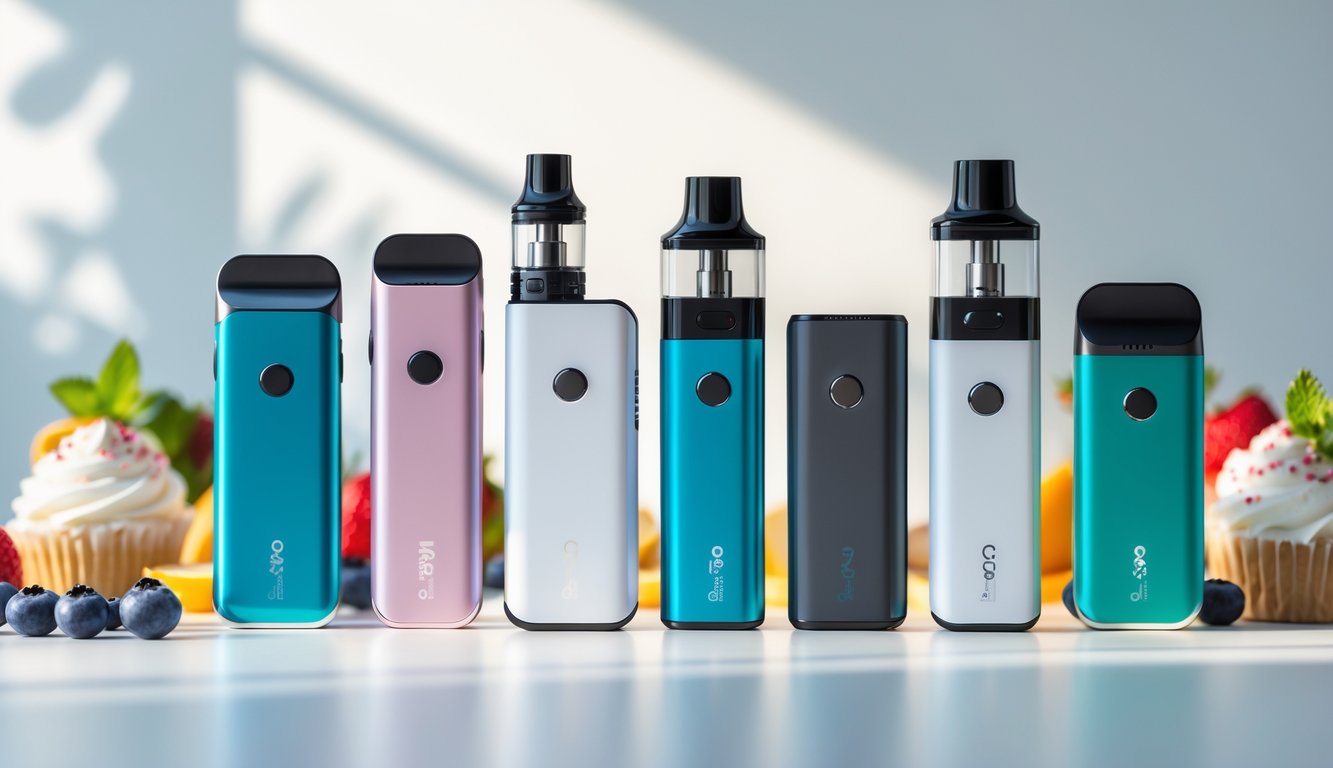
Choose a device that matches how and where you vape. If you need pocketable convenience and low maintenance, pod systems or AIO (all-in-one) devices suit daily carry and quick refills.
If you prioritize flavor detail and adjustable power, consider a mod with rebuildable or sub-ohm options; these deliver stronger vapor and finer tuning but demand more knowledge and upkeep.
Budget and frequency matter. A low-cost pod with replaceable pods works well if you vape intermittently, while a higher-end mod is cost-effective for heavy daily use because of refillable tanks and durable batteries.
Think about nicotine delivery and throat hit. Nicotine salt e-liquids pair best with low-watt pod devices for smooth, fast satisfaction. Freebase nicotine and high-watt setups favor larger clouds and more pronounced flavor at the expense of quicker e-liquid consumption.
Use this quick checklist to compare options:
- Portability: pod/AIO — compact, light
- Flavor & control: mod/RTA — customizable, powerful
- Maintenance: pods — low; rebuildables — high
- Cost over time: pods — higher per-use; refillable mods — lower per ml
Match safety and legal considerations to your routine. Choose batteries, chargers, and reputable brands to reduce risk, and follow local regulations about where you can vape.