


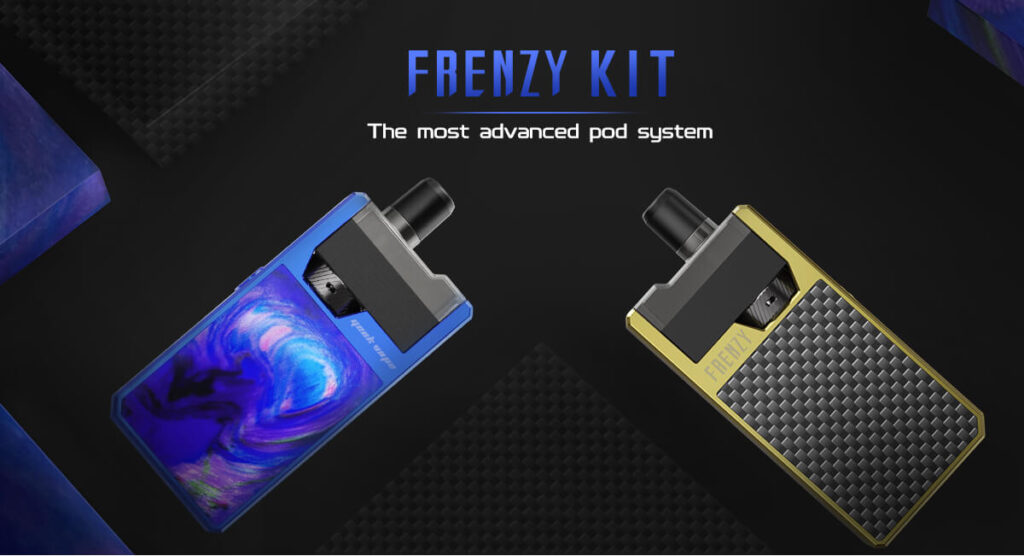
You want a vape that stands out on the shelf and performs flawlessly in the hand. Whether you collect limited runs or hunt for museum-quality craftsmanship, this guide shows which types and brands deliver both luxury and lasting value.
Expect clear picks for the most collectible pod and mod styles, plus criteria to judge rarity, materials, and performance so you can choose pieces that appreciate in value and pleasure.
You’ll learn where luxury trends are heading, how to compare aesthetics with specs, and practical steps to preserve and showcase your collection.
Understanding Vape Types for Collectors
You should focus on build quality, materials, and rarity when choosing collectible vape hardware. Prioritize devices that match your display goals—compact, artistically finished pieces versus large, mechanically impressive units.
High-End Pod Systems
High-end pod systems combine compact size with refined materials and precision engineering. Look for devices with CNC-machined aluminum or stainless steel bodies, ceramic or gold-plated contacts, and proprietary coil or pod designs that deliver consistent flavor. Brands in this tier often include leak-resistant pod architecture and adjustable airflow for fine-tuning.
You’ll value pod systems for portability and discreet aesthetics. Limited-edition colorways, artist collaborations, and serial-numbered runs add collector value. Pay attention to battery chemistry and internal safety features; high-capacity cells and temperature control protect both performance and investment.
Maintenance is simple: replace pods, clean contacts, and store in a cool, dry place. That low upkeep makes these systems ideal if you want a display piece that still functions reliably.
Luxury Box Mods
Luxury box mods emphasize power, customization, and premium finishes. Expect regulated chipsets with precise wattage control, multiple firing modes (VW, TC, LGBTQ—oops, ignore that), and large OLED or color screens that report volts, ohms, and puff stats. High-end models use exotic materials such as stabilized wood, resin inlays, titanium, and hand-polished brass.
You’ll want to check the mod’s thermal management, MOSFET quality, and whether it supports modern battery formats (21700, 20700). Mods with swappable panels, artisan engraving, or collaboration artwork hold higher collector interest. Secure, well-engineered 510 connectors and low voltage drop matter for consistent atomizer performance.
Treat these devices as both tools and showpieces. Regular firmware updates and manufacturer support extend lifespan and maintain resale value.
Premium Mechanical Mods
Premium mechanical mods appeal to collectors who value mechanical simplicity, craftsmanship, and historical significance. These devices lack regulation, so the build must be flawless: tight tolerances, smooth threading, gold-plated contacts, and reliable hybrid or floating 510 designs. Materials often include copper, brass, titanium, and stainless steel, sometimes with hand-turned detailing.
You must understand battery safety, Ohm’s law, and proper atomizer resistance before using a mechanical mod. Mods with unique milling, limited serial numbers, or collaboration provenance command higher prices. Inspect for solid switch construction—magnetic or precision spring switches reduce voltage drop and increase reliability.
Collectors often rotate pieces; store batteries separately and keep contacts polished. The tactile and visual craftsmanship is the primary draw, not advanced electronics.
Most Sought-After Vape Brands
You’ll find brands that prioritize build quality, design aesthetics, and aftermarket support. Each brand below targets collectors and enthusiasts with distinctive materials, modularity, and limited-run releases.
Lost Vape
Lost Vape focuses on premium materials like stabilized wood, resin, and metal alloys. You’ll notice precise machining, leather accents, and often a high-end finish that resists wear. Their DNA-chipset collaborations (which you may already know from the brand’s history) deliver accurate power curves and extensive customization for temperature control and wattage profiles.
For collectors, Lost Vape issues limited editions and special color runs that retain resale value. For enthusiasts, the emphasis lies in reliability, tight tolerances, and parts availability—replacement pods, glass, and chips are easier to source than exotic boutique brands.
Key points:
- Materials: stabilized wood, resin, metals
- Electronics: accurate chipset with fine-tuning
- Aftermarket: replacement parts and limited editions
VOOPOO
VOOPOO blends industrial design with performance-driven engineering. You’ll see heavy use of zinc-alloy chassis, tactile fire buttons, and the Gene or GENE.AI series chipsets that prioritize fast firing speeds and smart coil recognition. Their pod and box mod lines target both flavor-focused MTL and cloud-focused sub-ohm users.
VOOPOO supports collectors with special finishes and artist collaborations while maintaining broad coil and tank compatibility for hobbyists. If you value consistent vape feel, rapid ramp-up, and a wide parts ecosystem, VOOPOO delivers practical performance without sacrificing style.
Key points:
- Construction: zinc-alloy frames and robust buttons
- Chipsets: fast-fire, coil recognition tech
- Ecosystem: broad coil/tank compatibility, special editions
Dotmod
Dotmod emphasizes minimalist luxury and refined aesthetics. You’ll instantly recognize mirror-polished surfaces, laser-etched logos, and a design language that favors symmetry and balance. Their devices frequently use high-grade stainless steel and PVD coatings to ensure a lasting, premium finish.
For collectors, Dotmod releases limited runs and boutique accessories—drip tips, top caps, and matching tanks—that coordinate with devices. For enthusiasts seeking tuned airflow and flavor-first decks, Dotmod delivers tight machining tolerances and precise airflow engineering aimed at a refined mouth-to-lung and restricted direct-lung experience.
Key points:
- Aesthetics: polished finishes, laser etching
- Build: stainless steel, PVD coatings
- Focus: flavor tuning, matching accessories
Exclusive Limited Edition Vapes
Limited editions emphasize scarcity, design detail, and provenance. You’ll find collaborations that blend brand expertise with artist or luxury-house aesthetics, and serialized runs that track authenticity and production number.
Collaboration Series
Collaboration series pair vape manufacturers with designers, artists, or luxury brands to produce distinctive devices. You can expect unique finishes—hand-engraved patterns, enamel inlays, or bespoke colorways—not offered in standard lines. These devices often include co-branded packaging, numbered certificates, and exclusive coatings like PVD or anodized titanium that resist wear.
Functionally, collaborations may tweak hardware: special airflow plates, tuned coils, or bespoke firmware profiles that change power curves for a signature draw. Price premiums reflect both the partner’s cachet and limited production; resale value can appreciate if the collaborator has collector appeal. When evaluating a collaboration, check build materials, authenticity documentation, and whether replacement parts (coils, pods) remain available.
Serialized Devices
Serialized devices display a unique production number—typically stamped on the chassis or paired with a certificate—to prove limited quantity and sequence. You can trace a device as “#12 of 250,” which matters for provenance and insurance if you collect high-value pieces. Serialization often accompanies stricter QC standards: manufacturers may perform hand-testing, include extended warranties, or offer direct registration for owners.
Serialization also influences maintenance and servicing. Some makers provide owner portals for firmware updates or repair requests tied to the serial number, improving long-term support. When buying serialized units, prioritize verified seller channels, inspect the serial marking for tampering, and confirm that the number matches any included paperwork or online registry.
Materials and Craftsmanship
You’ll find that high-end vapes prioritize tight tolerances, premium alloys, and durable surface treatments to ensure fit, finish, and long-term appearance. Expect machining accuracy, selectable metal types, and coating options that affect weight, grip, and corrosion resistance.
Precision Machining
Precision machining determines how components fit and how reliably buttons, threads, and battery doors operate. Look for CNC-milled chassis with tolerances in the 0.05–0.2 mm range; this level keeps seams minimal and reduces wobble between panels and cartridges.
Precision machining also controls airflow channels and contact geometry. Properly machined airflow passages provide consistent draw and reduce turbulence that can mute flavor. Gold- or nickel-plated contact surfaces are often pressed or machined to tight flatness specs to maintain low resistance and stable power delivery.
Inspect thread cutting and knurl patterns. Smooth, chamfered threads reduce cross-threading and wear. Knurling or machined grips should be consistent to prevent uneven wear marks over time. These details reflect build quality and influence how long your device stays like-new.
Exotic Metal Finishes
Exotic metals change aesthetic, weight, and thermal behavior. Common premium choices include titanium, stainless steel 316/304, and aluminum 7075. Titanium gives a favorable strength-to-weight ratio and develops a unique patina; it stays cooler to the touch than stainless during extended draws.
Stainless steel offers scratch resistance and a heavier, solid feel that collectors often prefer. Aluminum alloys reduce weight and allow more aggressive anodizing colors but scratch more easily. Some manufacturers combine metals—stainless frames with titanium accents—to balance durability and visual contrast.
Pay attention to corrosion resistance and magnetic properties. Titanium and certain stainless grades resist salt corrosion from hands and e-liquids better than untreated aluminum. If you travel, note how metal choice affects TSA and airport screening: heavier steel devices register differently than light aluminum ones.
Luxury Coating Options
Coatings protect the base metal and define the look and tactile feel of a luxury vape. Popular options include hard anodizing, PVD (physical vapor deposition), DLC (diamond-like carbon), and ceramic-based topcoats. Hard anodizing penetrates aluminum and produces a durable colored surface with good scratch resistance.
PVD and DLC deliver thin, extremely hard layers with high abrasion resistance and minimal color fade. DLC gives a matte, almost ceramic black finish that resists fingerprints. Ceramic topcoats provide a smooth, warm-to-the-touch feel and can improve chemical resistance against e-liquid spills.
Consider repairability and wear patterns. Thick anodizing can be re-anodized in some cases, while PVD/DLC requires specialist re-coating if damaged. Also check whether coatings are applied to internal cavities; incomplete coverage can allow corrosion where it’s least visible but most damaging.
Feature Comparison: Performance vs. Aesthetics
You’ll balance raw vaping performance (accuracy, ramp-up, safety) against visual and tactile appeal (materials, finish, limited runs). Focus on which features directly affect your experience and which mainly serve collector value.
Advanced Chipsets
Advanced chipsets control power delivery, temperature regulation, and safety cutoffs. Look for devices with 0.001–0.02s firing speeds, precise wattage control in 0.1W steps, and temperature control profiles that support Ni/Ti/SS and TCR adjustments. These specs matter when you build low-resistance coils or chase consistent flavor across sessions.
Safety features are critical. Choose chipsets with short-circuit protection, reverse polarity detection, overheating shutdown, and intelligent battery monitoring that reports cell voltage and estimated remaining mAh. Firmware updatability matters if you want new features or improved stability over the device’s life.
If you value performance, prioritize chips from reputable vendors (e.g., DNA, AS, or well-reviewed proprietary platforms) and check independent bench tests for efficiency and true output versus rated specs.
Customizable Panels
Custom panels shape the device’s visual identity and collector value. Materials range from stabilized wood, resin, and carbon fiber to engraved aluminum and enamel inlays. Each material affects weight, grip, and scratch resistance; resin offers vivid patterns but can be more scratch-prone than metal.
Interchangeability adds utility. Look for panels secured by hex screws or magnetic mounts so you can swap limited-edition plates without tools or risk of damage. Limited runs, numbered editions, and artist collaborations increase resale value, but verify authenticity via certificates or manufacturer serials.
Consider ergonomics: contoured panels and beveled edges improve hand feel, while textured finishes enhance grip. If you display your collection, prioritize visually striking panels; if you vape daily, choose durable finishes and replaceable options.
Building a Valuable Vape Collection
Focus on provenance, condition, and rarity when choosing pieces. Prioritize verified limited editions, mint-condition packaging, and documented ownership to protect value over time.
Authentication Tips
Verify serial numbers, manufacturer marks, and original packaging before you buy. Ask sellers for high-resolution photos of the base, internals, and any engraved stamps; compare those images to official product photos or manufacturer databases.
Use a short checklist when inspecting items:
- Serial number match with manufacturer records
- Intact holograms, warranty cards, and receipt provenance
- No aftermarket modifications or non‑OEM parts
For high-value pieces, request third‑party authentication or a written appraisal. Keep records of communications, receipts, and photos dated at purchase to support provenance and guard against counterfeit claims.
Collecting for Investment
Select models with documented production limits, historical significance, or collaborations with notable designers. Track release dates, edition sizes, and secondary-market prices to spot upward trends.
Diversify across categories: limited-run mods, museum‑quality AIOs, and early production units from reputable brands. Store items in climate‑controlled conditions and retain original boxes and paperwork to maintain resale value.
Monitor auction results and reputable marketplaces monthly. Set buy/sell rules—target a maximum purchase price and a minimum resale profit—and stick to them to reduce emotional buying.
Maintaining Luxury and Rare Devices
Keep components pristine, protect finishes, and control environmental factors to preserve function and value. Focus on safe cleaning methods, correct storage, and routine checks to prevent damage and maintain performance.
Cleaning Techniques
Start by disassembling removable parts: drip tip, tank/glass, coils (if replaceable), and external panels. Use a soft, lint-free cloth and isopropyl alcohol (70%–90%) for metal and resin surfaces; apply alcohol to the cloth, not directly to decorative elements. For glass tanks, rinse under warm water and, if needed, soak briefly in a mild dish soap solution, then air-dry on a lint-free surface.
For delicate finishes (wood, mother-of-pearl, anodized aluminum), use only a dry microfiber cloth or a barely damp cloth with distilled water. Avoid ultrasonic cleaners on fragile inlays and strictly never submerge electronic sections or battery compartments. Replace coils regularly and inspect O-rings for cracks; keep a small kit of spare O-rings and screws.
Disinfect contact points—510 connectors and battery terminals—with a cotton swab lightly moistened with isopropyl alcohol. Reassemble only when all parts are completely dry. Perform a function test (no leaks, proper firing) before storing or displaying the device.
Storage Solutions
Store devices in a climate-controlled space with stable temperature (15–25°C / 59–77°F) and relative humidity between 40%–60% to prevent corrosion and warping. Use airtight, padded cases for transport and breathable display boxes with silica gel packets for long-term storage to control moisture. Label each box with device name, date of last service, and battery condition.
For batteries, store at approximately 40%–60% charge in individual protective sleeves and in a fire-safe container. Keep liquids upright and capped; store nicotine-containing e-liquids in dark, cool cabinets away from direct sunlight. If you display devices, use UV-filtering glass and rotate pieces periodically to avoid prolonged light exposure that can fade finishes. Perform quarterly inspections for leaks, corrosion, and battery swelling, recording any issues in a maintenance log.
Trends in High-End Vaping
You’ll see devices shift toward smarter temperature and power control, giving more consistent flavor and vapor without manual tinkering. Manufacturers pair precision hardware with firmware updates to refine performance over time.
Design and materials matter more for collectors now. Expect premium metals, resin panels, and limited-run finishes that increase aesthetic and resale value.
Modularity and customization remain central. You can swap tanks, coils, and batteries easily, and some high-end units support adjustable airflow and replaceable chassis components.
Brands add tech features like adaptive heating algorithms and app connectivity. These let you log sessions, tweak profiles, and receive OTA updates for incremental improvements.
Pod systems and compact mods are closing the gap with large-fashioned devices on flavor fidelity. You’ll find lightweight options that still deliver robust output, appealing to both daily users and display-oriented collectors.
Key trends at a glance:
- Smart control: temperature, wattage, and safety monitoring
- Premium materials: stainless steel, stabilized wood, and artisan resins
- Customization: modular swaps, adjustable airflow, and coil variety
- Connectivity: Bluetooth apps, profile sharing, and firmware updates
You should watch evolving regulations and battery safety standards too. Those factors drive design choices and can affect which models remain available in your market.
Where to Find and Buy Premium Vapes
Start with authorized brand stores and official websites. You’ll get warranty coverage, authentic product specs, and direct access to limited editions that collectors value.
Visit specialist vape boutiques for hands-on inspection and expert advice. Staff can demonstrate build quality, materials, and coil options so you know exactly what you’re buying.
Use reputable online retailers and marketplaces with strong seller ratings. Look for clear return policies, verified authenticity badges, and customer reviews that mention long-term performance.
Consider trusted vape shows and collector meetups to discover bespoke devices and regional exclusives. You can often negotiate trades or view custom finishes in person.
Compare prices and verify serial numbers before purchasing to avoid counterfeits. Keep receipts and register devices with manufacturers when available to preserve warranty and resale value.
- Payment: use credit cards or trusted payment platforms for buyer protection.
- Shipping: choose insured, trackable shipping for high-value items.
- Documentation: request certificates of authenticity for limited runs.
If you buy secondhand, inspect photos closely and ask about usage history. Request coil and battery condition details, and prefer local meetups for immediate inspection when possible.